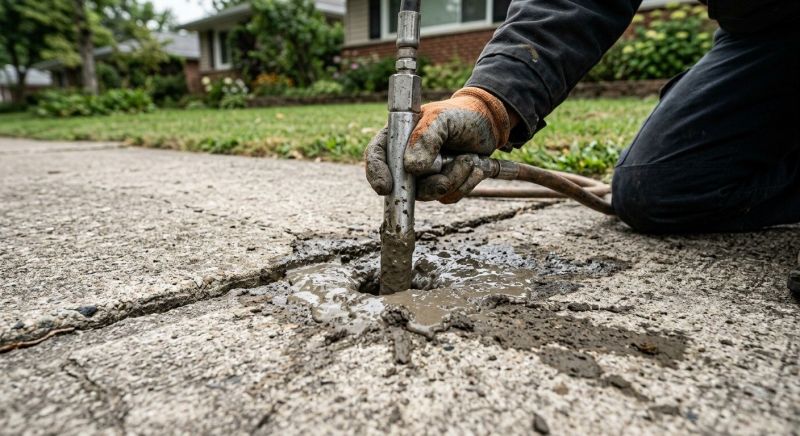
Slab Raising in San Antonio, TX
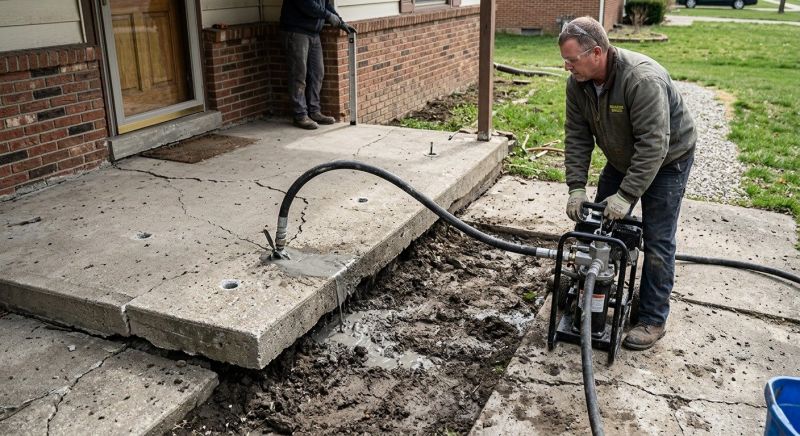
Slab raising services are designed to address uneven or sunken concrete slabs commonly found in driveways, sidewalks, patios, and garage floors. This process involves lifting and leveling existing concrete to restore a smooth, stable surface, helping to prevent further damage and improve the safety and appearance of the property. Projects typically include correcting uneven slabs caused by soil settling, erosion, or ground movement, making them suitable for residential areas where maintaining a level surface is essential for functionality and curb appeal.
Homeowners considering slab raising often want to understand the causes of uneven concrete, the types of materials used, and the expected results. It’s important to evaluate whether the existing slab is suitable for lifting and to be aware of any underlying soil or foundation issues that may need addressing. Proper assessment ensures that the lifting process will provide a long-lasting solution, helping property owners maintain a safe, level surface for years to come.
Many property owners in San Antonio, TX look into Slab Raising for repairs, replacements, upgrades, and appearance-related improvements.
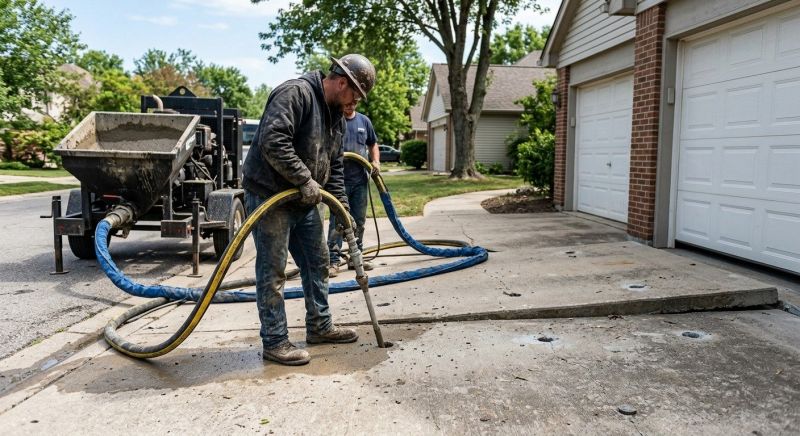
Benefits Of Slab Raising
Restores stability and levelness to sunken concrete slabs on residential and commercial properties.
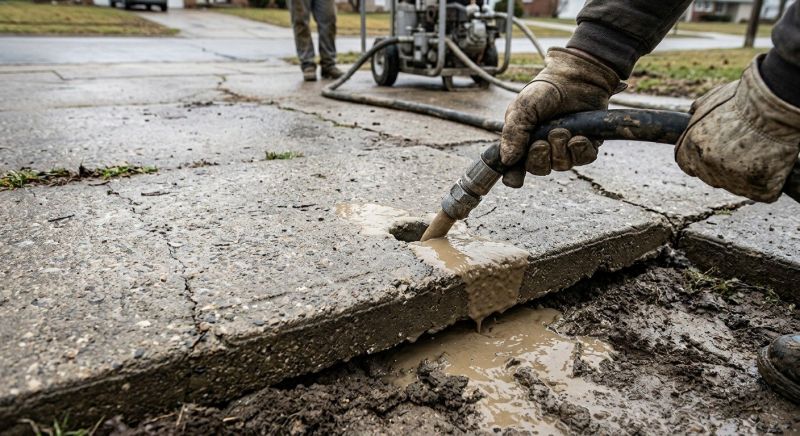
Common Applications
Used for driveways, sidewalks, patios, and garage floors in san antonio and nearby areas.
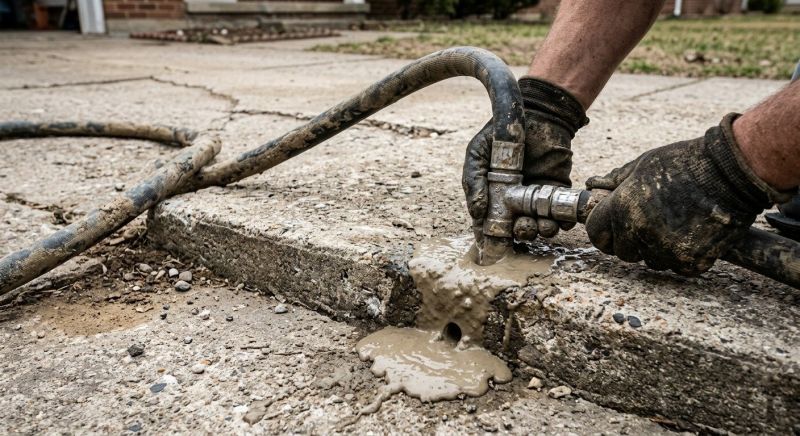
Why Choose Slab Raising
A cost-effective alternative to replacement that minimizes property disruption and extends the lifespan of concrete surfaces.
Slab Raising in San Antonio, TX

Slab raising services are designed to address uneven or sunken concrete slabs commonly found in driveways, sidewalks, patios, and garage floors. This process involves lifting and leveling existing concrete to restore a smooth, stable surface, helping to prevent further damage and improve the safety and appearance of the property. Projects typically include correcting uneven slabs caused by soil settling, erosion, or ground movement, making them suitable for residential areas where maintaining a level surface is essential for functionality and curb appeal.
Homeowners considering slab raising often want to understand the causes of uneven concrete, the types of materials used, and the expected results. It’s important to evaluate whether the existing slab is suitable for lifting and to be aware of any underlying soil or foundation issues that may need addressing. Proper assessment ensures that the lifting process will provide a long-lasting solution, helping property owners maintain a safe, level surface for years to come.
Many property owners in San Antonio, TX look into Slab Raising for repairs, replacements, upgrades, and appearance-related improvements.
Common Slab Raising Jobs
Concrete slab raising - lifts sunken or uneven slabs to restore level surfaces.
Driveway leveling - corrects uneven driveways caused by soil settlement or cracks.
Sidewalk repair - raises and stabilizes uneven or cracked walkways for safety.
Patio leveling - restores flatness to outdoor patios for better usability.
Garage floor leveling - addresses uneven garage slabs to prevent tripping hazards.
Foundation support - provides stabilization for slabs affected by shifting or settling.
Slab Raising Questions
What is slab raising? Slab raising is a process that lifts and stabilizes sunken concrete slabs, restoring their original position and level.
What types of projects benefit from slab raising? Driveways, sidewalks, patios, and garage floors often benefit from slab raising when they develop uneven or cracked surfaces.
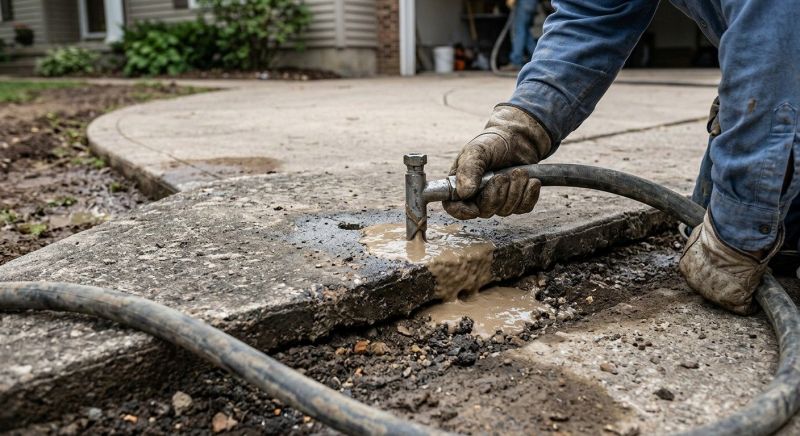
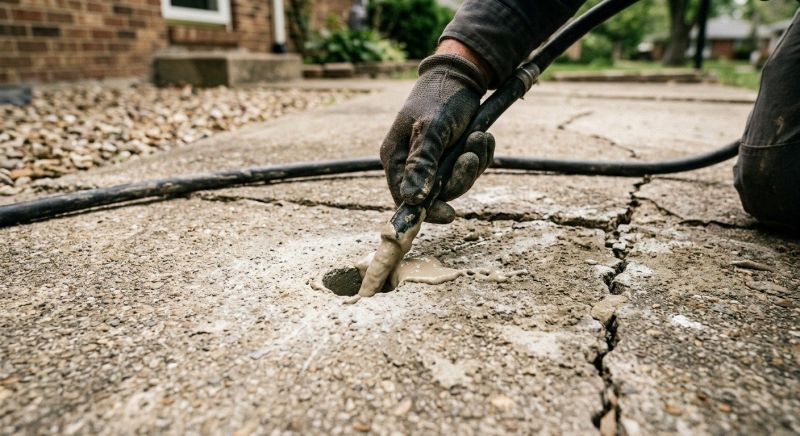
How does slab raising work? The process involves injecting a lightweight material beneath the slab to lift it back into place and prevent further settling.
Is slab raising a permanent solution? When properly performed, slab raising can provide a long-lasting repair to uneven concrete surfaces.
Request Slab Raising in San Antonio, TX
Use the quote form on this page to share the basics of your project and request more information for the type of work you need.